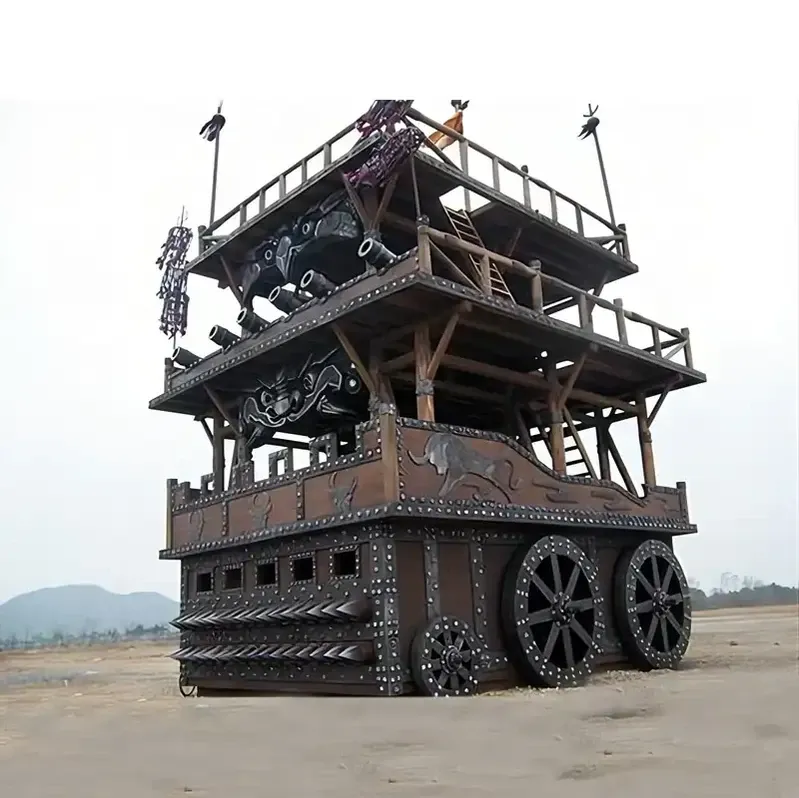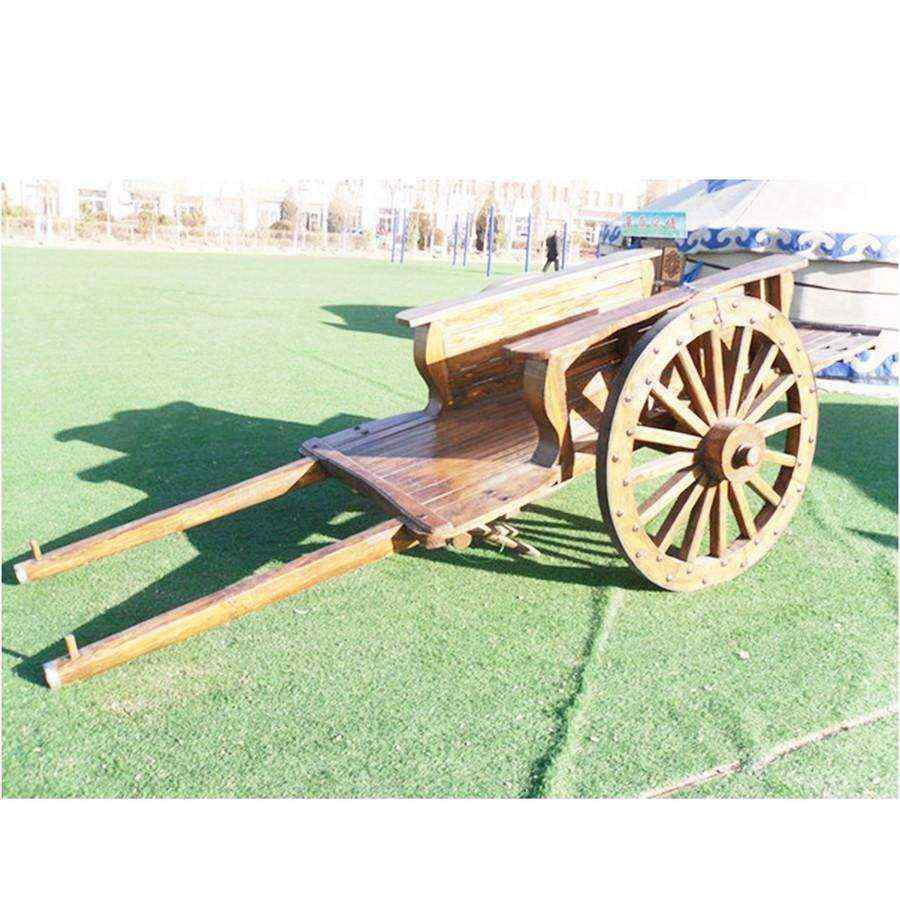
In an era where modern technology dominates, the art of crafting ancient war chariots stands as a testament to timeless craftsmanship and historical preservation. At Zhongyu Woodcraft, we specialize in bringing these iconic siege engines back to life, using traditional mortise-and-tenon joinery and time-honored techniques. Our chariots are not just replicas; they are a bridge between the past and the present, offering a glimpse into the ingenuity of ancient Chinese warfare. In this article, we will explore the historical origins, craftsmanship, modern applications, and customization options for these remarkable chariots, all while highlighting our commitment to authenticity and quality.
A Crafting Authentic Historical is a traditional Chinese timber structure assembled with mortise and tenon joinery, without metal nails, combining cultural heritage with modern durability.
A Reviving Ancient Warfare is a traditional Chinese timber structure assembled with mortise and tenon joinery, without metal nails, combining cultural heritage with modern durability.
Historical Origins: The Evolution Chariots
War chariots have a rich history in ancient China, dating back to the Shang Dynasty (c. 1600–1046 BCE). These chariots were not merely vehicles of war; they were symbols of power and prestige, often used by nobility and military commanders. According to the Yingzao Fashi (Building Standards), the construction of these chariots involved intricate woodworking techniques that have been passed down through generations. Our master craftsmen, with over 48 years of experience, meticulously study these ancient texts to ensure that each chariot we produce is as close to the original as possible.
The Tiangong Kaiwu (Exploitation of the Works ) further details the materials and methods used in chariot construction, emphasizing the importance of selecting the right type of wood and employing precise joinery techniques. Our chariots are crafted using traditional methods, such as mortise-and-tenon joints, which provide exceptional durability and strength, ensuring that they can withstand the test of time.
Craftsmanship & Techniques: The Art -and-Tenon Joinery
At the heart of our chariot construction is the mortise-and-tenon joint, a technique that has been used in Chinese woodworking for centuries. This method involves fitting a projecting piece (the tenon) into a corresponding hole (the mortise), creating a joint that is both strong and aesthetically pleasing. Our craftsmen employ a variety of mortise-and-tenon techniques, including:
Through Mortise and Tenon:This joint is visible on both sides of the chariot, showcasing the craftsmanship involved. Blind Mortise and Tenon: This joint is hidden from view, providing a seamless appearance. Wedged Mortise and Tenon: This variation includes a wedge that secures the joint, adding extra stability.
Each chariot is crafted from high-quality, sustainably sourced wood, such as oak and pine, which are chosen for their strength and durability. Our craftsmen pay meticulous attention to detail, ensuring that every joint is perfectly fitted and every surface is smooth and polished.
Modern Applications: From Historical Reenactments to Museum Exhibits
While traditional war chariots were once used in battle, their modern applications are diverse and varied. Today, these chariots are popular in:
Historical Reenactments:Enthusiasts of ancient warfare use our chariots to recreate historical battles, providing an authentic experience for participants and spectators alike. Museum Exhibits: Our chariots are often featured in museums and cultural centers, offering visitors a tangible connection to the past. Film and Television: Production companies frequently commission our chariots for use in historical dramas and documentaries, where authenticity is key. Theme Parks and Attractions: Our chariots add a touch of historical flair to theme parks and cultural attractions, enhancing the visitor experience.
Our chariots are also popular in educational settings, where they are used to teach students about ancient Chinese history and culture. By incorporating these chariots into their curriculum, educators can provide students with a hands-on learning experience that brings history to life.
Design & Customization: Tailoring Chariots to Your Needs
At Zhongyu Woodcraft, we understand that each client has unique needs and preferences. That’s why we offer a range of customization options for our chariots, including:
Size:Whether you need a full-sized chariot or a smaller scale model, we can tailor the dimensions to suit your requirements. Materials: We offer a variety of wood types, including oak, pine, and bamboo, allowing you to choose the material that best fits your aesthetic and budget. Design: Our craftsmen can incorporate specific design elements, such as carvings or inlays, to create a chariot that is truly unique. Functionality: We can modify the design to include functional features, such as wheels that turn or a canopy that provides shade.
Our team works closely with clients to ensure that each chariot is crafted to their exact specifications, delivering a product that exceeds expectations.
Case Study: Restoring a Piece
One of our most notable projects involved the restoration of a traditional war chariot for a prominent museum in China. The museum wanted to recreate a historical battle scene, and they needed an authentic chariot to serve as the centerpiece of the exhibit. Our team worked tirelessly to ensure that the chariot was historically accurate, using traditional materials and techniques. The project took several months, but the final result was a stunning replica that captivated visitors and provided an immersive experience.
The chariot was crafted using oak wood, with intricate carvings and a durable finish. It featured a full-sized design, complete with functional wheels and a detailed canopy. The museum reported a significant increase in visitor engagement, with many guests expressing appreciation for the authentic touch the chariot brought to the exhibit.
FAQ
Q: How long does it take to craft a traditional war chariot?
A: The crafting process typically takes between 4 to 6 months, depending on the complexity of the design and the customization options chosen.
Q: What materials are used in the construction of your chariots?
A: We use high-quality, sustainably sourced wood, such as oak and pine, along with traditional mortise-and-tenon joinery techniques.
Q: Can I customize the design of my chariot?
A: Yes, we offer a range of customization options, including size, materials, design elements, and functionality.
Q: How do I care for my chariot?
A: Regular dusting and occasional polishing with a natural oil, such as linseed oil, will help maintain the chariot’s appearance and durability.
Q: What is the lead time for a custom chariot?
A: The lead time is typically 3-4 months, but this can vary depending on the project’s specific requirements.
Conclusion
Reviving the art of crafting traditional war chariots is more than just a business for us; it’s a passion and a commitment to preserving a vital part of China’s cultural heritage. By choosing Zhongyu Woodcraft, you are not only acquiring a beautifully crafted chariot but also supporting the continuation of a timeless tradition. We invite you to contact us to discuss your project and explore the possibilities of bringing a piece of history to life.
Contact us today for a free quote: +86 (WhatsApp)
Historical Significance of Ancient Chinese Chariots
Chinese chariots have a rich history that dates back to the Shang Dynasty (c. 1600–1046 BCE). These early chariots were primarily used in warfare, serving as fast, maneuverable platforms for archers and spear-wielding warriors. The design of these chariots was crucial to their effectiveness, with lightweight yet sturdy wooden frames and large spoked wheels that allowed for swift movement across various terrains.
As time progressed, the use of chariots evolved beyond the battlefield. During the Zhou Dynasty (1046–256 BCE), chariots became symbols of status and power, often used in ceremonial processions and royal hunts. The craftsmanship involved in creating these chariots became increasingly sophisticated, with artisans employing intricate woodwork and metal fittings to enhance both aesthetics and functionality.
Our replica chariots draw inspiration from these historical designs, meticulously recreating the elegance and grandeur of ancient Chinese chariots. By choosing one of our chariots, you are not only acquiring a beautifully crafted piece but also becoming part of a long-standing tradition that celebrates the artistry and ingenuity of ancient Chinese culture.
The Art Replica Chariots
Creating a replica chariot is a labor-intensive process that requires a deep understanding of traditional woodworking techniques and an eye for detail. Our skilled artisans employ a combination of modern technology and age-old craftsmanship to ensure that each chariot is a faithful reproduction of its historical counterpart.
The process begins with the careful selection of high-quality materials. We primarily use pine and cedar for the chariot’s frame, as these woods are known for their durability and lightweight properties. The wood is then meticulously shaped and joined using traditional mortise and tenon techniques, ensuring a strong and stable structure.
Once the frame is assembled, our artisans focus on the finer details, such as the intricate carvings and inlays that adorn the chariot’s body. These decorative elements are often inspired by historical motifs and symbols, adding an authentic touch to the overall design. The final step involves applying a protective finish to the wood, which not only enhances its natural beauty but also ensures longevity.
Customization Options Replica Chariot
Related Articles
Related Articles
Labor Education Equipment: Custom Farm Tool Replicas BasesShipping from 48-Year China FactoryFor pricing, custom size requests, or delivery time to your region, contact our team directly we reply within 24 hours with a detailed quotation and shipping estimate.
Call/WhatsApp: +86 13883366528
Zhongyu Woodcraft – 48 Years Traditional Chinese Woodcraft Factory, Nationwide Installation